

Crafting gets expensive fastest when every new project begins with a shopping list. A better approach is to start with what is already in your home, choose one small project, and buy only the material that actually changes the result.
That is the idea behind these budget-friendly crafts for adults. The projects below use four familiar categories: upcycled home decor, simple jewelry, paper crafts, and candles. The goal is not to collect more supplies. It is to get more use from jars, scrap paper, leftover cord, old frames, buttons, beads, and other materials that are easy to overlook.
If you are trying to build a creative habit without turning it into another expensive hobby, this is a practical place to start.
Jump to:
Before You Buy Anything: Do a Five-Minute Supply Check
Open the drawer, box, or cupboard where loose craft supplies tend to collect. Look for usable containers, paper, ribbon, yarn, buttons, beads, paint, glue, twine, fabric scraps, and unfinished kits. Then choose a project that fits those materials instead of buying materials to fit a project.
This reversal matters. A low-cost craft is not necessarily the one with the cheapest individual supplies; it is the one that requires the fewest new purchases. Three glass jars can become a coordinated desk set. A handful of cord can become earrings or a bracelet. Paper offcuts can become tags, cards, or folded decorations.
1. Upcycled Home Decor
Upcycling is one of the easiest ways to make adult crafts feel intentional without spending much. Glass jars, tin cans, old picture frames, small boxes, bottles, and plain containers already have the shape and structure you need. Your job is mostly to change the surface.
Start by cleaning the item thoroughly and removing grease, labels, and loose adhesive. Then use a finish that suits the material: acrylic craft paint for many rigid surfaces, decoupage for paper-covered pieces, twine or fabric for texture, or simple labels when you want something useful rather than decorative.
A jar can become a pencil cup, brush holder, small vase, or lantern. An old frame can hold pressed paper art, fabric scraps, a handmade quote, or a collage. A plain container can be wrapped in scrapbook paper and used for storage. The project stays inexpensive because the base object costs nothing.
For a more finished example, see the Birch Vases Made with Scrapbook Paper. If you have an empty mason jar, the Mason Jar Leaf Lantern is another useful way to turn a common container into decor.
Where to save and where to spend
Save on the base object. Reuse the jar, frame, tin, or box. Spend only on a finish that makes a visible difference, such as a paint color you will use again or a reliable adhesive for the material. Buying a new blank object defeats much of the point unless you need matching pieces.
2. DIY Jewelry
Jewelry projects can be surprisingly economical because they use very little material per finished piece. The expensive part is usually buying too many findings, specialty tools, or beads before you know which style you enjoy making.
For a first project, keep the material list short. Use leftover cord for a simple knotted bracelet, turn a pair of basic hoops into fiber earrings, or combine a small number of beads with inexpensive earring hooks. Old buttons can also work as decorative elements when their shape and condition suit the project.
If you want a guided project that uses a small amount of material, try the macrame earrings tutorial or the beginner macrame bracelet. Both are better use-what-you-have projects than buying a large jewelry kit just to make one piece.
Avoid the starter-supply trap
It is tempting to buy a large organizer full of findings because the price per piece looks low. That only saves money if you eventually use them. For your first few projects, buy the smallest sensible quantity of the parts you cannot substitute, usually hooks, clasps, jump rings, or the correct cord, and reuse decorative materials you already own.
3. Paper Crafts
Paper is one of the best materials for low-cost adult crafting because you can adjust the project to whatever paper is available. Printer paper works for folding practice. Old book pages or magazines work for collage. Cardstock is useful when the finished piece needs more structure. Scrapbook offcuts are ideal for cards, tags, small flowers, and layered decorations.
A handmade greeting card is a good first project because there is no need to buy a full paper pad. Start with a folded sheet of cardstock, then add one focal element: a paper flower, cut shape, stamped detail, handwritten message, or small collage. Keeping the design simple usually looks more polished than trying to use every decoration at once.
Folded paper decorations are another low-cost option. The paper star tutorial uses ordinary paper, scissors, a pencil, and a ruler, so it is a useful example of a project where technique matters more than specialty supplies.
Use paper scraps before opening a new pack
Sort scraps by rough size instead of color. Larger pieces can become card fronts or folded shapes, medium pieces can become tags and flowers, and narrow strips can be used for borders, weaving, or small embellishments. This makes it much easier to see what is actually usable.
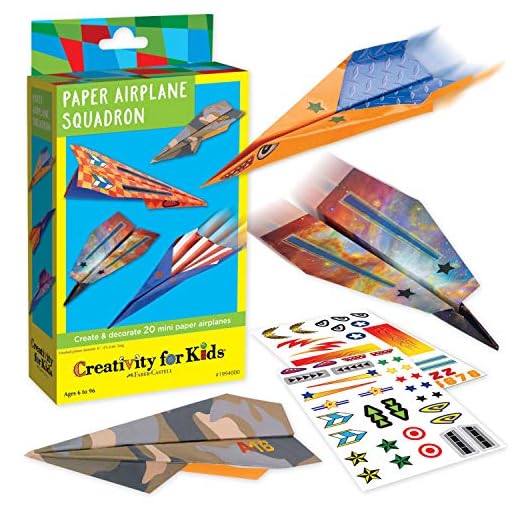
Optional paper-craft supplies already featured in this article: the original version included product recommendations in this section. They are preserved below exactly, including their existing Amazon links and product images. Some are aimed at children or shared family craft supplies, so adult crafters should treat them as optional rather than required.



4. DIY Candles
Candle making can still fit a budget, but it is different from paper or upcycling because the functional materials matter. Wax, a properly sized wick, a suitable heat-resistant container, and candle-safe fragrance or dye are not good places to improvise with random household substitutes.
The budget-friendly approach is to keep the first batch small and use a straightforward container candle recipe. Reuse a suitable vessel only if it is designed to tolerate the heat of a burning candle, and follow the wax and wick manufacturer’s instructions. If you own none of the equipment, a compact beginner kit can sometimes make more sense than buying every component separately.
One important correction to older DIY candle advice: do not embed dried flowers, leaves, herbs, or other flammable decorations in the wax near the wick. These materials can enter the melt pool and become a fire hazard. Decorative botanicals are better kept outside the candle itself.
For a complete project with measurements and equipment guidance, use our DIY Pumpkin Spice Candles tutorial rather than guessing wax, wick, or fragrance quantities.
Keep the first batch simple
Choose one container size, one wax, one wick setup, and one fragrance rather than trying multiple combinations in the same batch. That keeps the supply list shorter and makes troubleshooting easier if the candle tunnels, the wick struggles, or the scent is weaker than expected.
Existing candle-making product options: any Amazon candle-kit recommendations and product images from the original article are preserved below exactly.
How to Keep Crafting Affordable Over Time
The biggest savings usually come from buying less often, not from finding the cheapest version of every supply. Finish one or two projects before starting another craft category. Keep a small container for usable scraps. Share rarely used tools with family or friends. Check thrift stores for frames, jars, fabric, baskets, and other craftable objects before buying new blanks.
It also helps to separate consumables from tools. Paper, wax, glue, paint, and cord get used up. Scissors, rulers, pliers, brushes, and glue guns should last across many projects. A dependable tool can be worth paying more for when you already know you will use it regularly; a specialized tool for a one-time project usually is not.
Final Thoughts
Budget crafting is less about making something look cheap and more about choosing projects that suit the materials you already own. Upcycled decor makes use of existing objects. Jewelry works well with small quantities of cord and findings. Paper crafts turn scraps into finished pieces. Candle making costs a little more to start, but a simple, well-planned batch avoids buying unnecessary extras.
Pick one idea, check your supplies first, and buy only what the project genuinely needs. That habit keeps crafting affordable and usually leads to more finished projects and fewer half-used supplies sitting in a drawer.